By late April in the Birmingham area, your lawn has shifted from slow spring wake-up to full growth mode. What was a once or twice-a-month task a few weeks ago suddenly needs more attention, and homeowners who fall behind on mowing end up removing too much grass at once, which stresses the turf and leads to an uneven, patchy look.
If you’ve been through the spring cut down and your lawn is actively greening up, the question now is how often to mow and at what height. The answers depend on your grass type, but the principles are the same across every lawn in the Birmingham, Alabama area.
The One-Third Rule
This is the single most important mowing guideline, and it matters more in spring than any other time of year.
Never remove more than one-third of the grass blade in a single mowing. If your target height is 2 inches, you should be mowing before the grass reaches 3 inches. If your target is 1.5 inches, mow before it hits 2.25 inches.
Why does this matter? When you cut off more than a third of the blade, the grass loses a significant portion of its ability to photosynthesize. That puts stress on the plant, weakens root development, and can lead to thinning, brown tips, and increased vulnerability to disease and pests.
During spring in Birmingham, warm-season grasses grow rapidly. Bermuda in particular can put on noticeable growth in just a few days when soil temperatures are warm and rainfall is consistent. That means mowing frequency needs to increase to keep pace, not because you want to cut more, but because the grass is growing faster.
Mowing Height by Grass Type
Each grass type common in the Birmingham area has an ideal mowing height range. Staying within that range promotes denser turf, better root development, and a healthier lawn through the season.
Bermuda Grass – Recommended height: 1 to 2 inches
Bermuda is the most common lawn grass across Birmingham, Hoover, Alabaster, and the surrounding metro. It’s aggressive, spreads quickly through stolons and rhizomes, and performs best when kept short. Letting bermuda get too tall leads to thatch buildup, a leggy appearance, and scalping when you finally cut it back down.
If you’re mowing bermuda with a standard rotary mower, keeping it around 1.5 to 2 inches is a practical target. Homeowners with reel mowers can maintain it lower, but most residential lawns do well in that range.
Zoysia Grass – Recommended height: 1.5 to 2.5 inches
Zoysia grows more slowly than bermuda and produces a denser, carpet-like turf. It’s common across Vestavia Hills, Homewood, and parts of Hoover. Because of its slower growth rate, zoysia doesn’t need to be mowed as frequently, but it’s important not to let it get too tall between cuts, because the dense blade structure makes it harder to cut cleanly when overgrown.
Centipede Grass – Recommended height: 1.5 to 2 inches
Centipede is a lower-maintenance grass that grows in some areas of the Birmingham metro, particularly in Pelham, Calera, and Chelsea. It prefers higher mowing heights than bermuda and doesn’t tolerate aggressive cutting. If your lawn is centipede, err on the side of mowing higher and less frequently.
Why Mowing Frequency Increases in Spring
Birmingham’s spring weather creates ideal growing conditions for warm-season grasses: warm soil, rising air temperatures, and frequent rainfall. During peak spring growth (typically mid-April through May), bermuda and zoysia can grow half an inch or more between mowings.
If you’re committed to following the one-third rule, and you should be, that means adjusting your mowing schedule based on growth rate, not on a fixed weekly calendar. In practice, that may look like:
- Early April: Every 7 days is usually sufficient as the lawn is just hitting its stride
- Late April through May: Every 4 to 5 days for bermuda, every 5 to 7 for zoysia
- June onward: Growth rate may stabilize or slow slightly depending on heat and rainfall, and frequency can adjust accordingly
Mulching vs. Bagging Clippings
After the spring cut down, when bagging is recommended, you can typically switch to mulching clippings for the rest of the season. Mulched clippings break down quickly, return nitrogen and organic matter to the soil, and save you the effort of bagging and disposing.
The exception is if you’ve fallen behind on mowing and need to remove a large volume of grass. In that situation, bagging prevents clumps of clippings from smothering the turf underneath.
A good rule of thumb: if the clippings disappear into the lawn after mowing, mulching is fine. If they’re sitting on top in visible clumps, bag them. If you notice clumps after cutting, be sure to spread them out using a leaf blower or rake to evenly distribute back into the lawn.
Other Mowing Practices That Matter
Beyond height and frequency, a few other habits make a noticeable difference in lawn quality:
Sharpen your blades regularly. Dull mower blades tear the grass instead of cutting it cleanly. Torn blades turn brown at the tips and are more susceptible to disease. During peak mowing season, sharpening every three to four weeks is a good practice.
Alternate your mowing pattern. Mowing in the same direction every time can cause the grass to lean in one direction and lead to soil compaction along your wheel tracks. Alternating between horizontal, vertical, and diagonal patterns promotes upright growth and more even wear.
Mow when the grass is dry if possible. Wet grass doesn’t cut cleanly, clumps together, and can clog your mower deck. Morning dew is usually fine to mow through, but avoid mowing right after rainfall or irrigation.
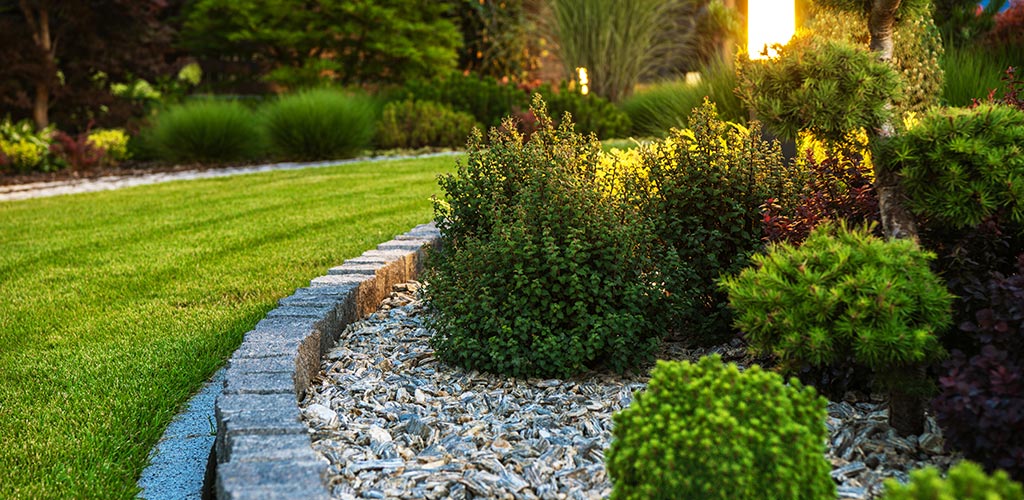
Don’t skip the edges. Clean edges along sidewalks, driveways, and bed borders are what give a lawn a finished, maintained look. String trimming and edging after each mow takes a few extra minutes but makes a significant difference in curb appeal.
If You’re Already a Steven’s Wack-n-Sack Client
For homeowners on a residential lawn care program with Steven’s Wack-n-Sack, mowing height and frequency adjustments are built into the service. Our crews know your grass type, your property’s layout, and how growth patterns shift through the season. Mowing height is adjusted as the season progresses, and frequency is matched to actual growth rate, not a fixed calendar schedule. It’s one less thing to manage during the busiest time of year for your lawn.
Keep Up With Your Lawn This Spring
Spring mowing in Birmingham isn’t complicated, but it does require consistency. Staying on top of mowing frequency, keeping your blades sharp, and maintaining the right height for your grass type will give your lawn the best chance to stay dense, healthy, and good-looking through the rest of the growing season.
If keeping up with the pace of spring growth sounds like more than you want to take on, Steven’s Wack-n-Sack provides reliable residential lawn care for homeowners across Birmingham, Hoover, Vestavia Hills, Homewood, Alabaster, Pelham, Helena, Chelsea, and the surrounding metro. Contact us to get a quote and take mowing off your list.