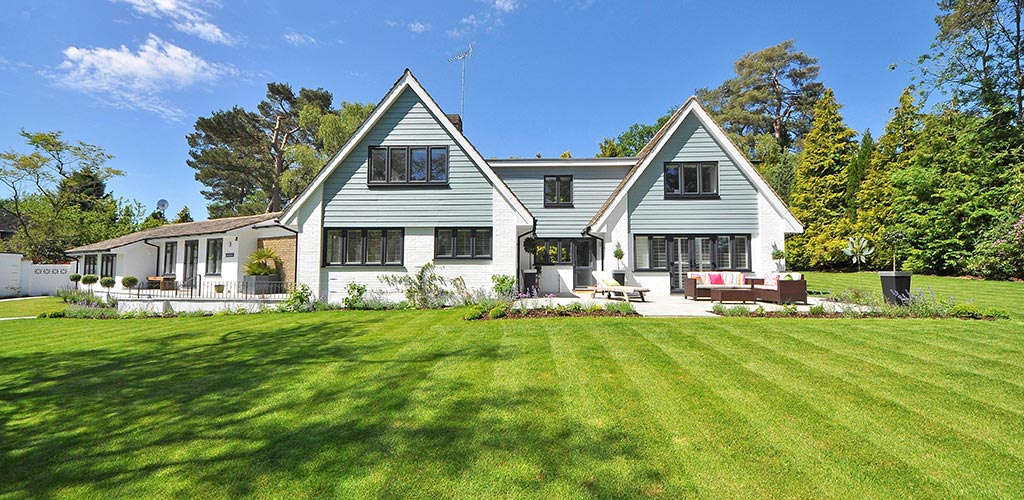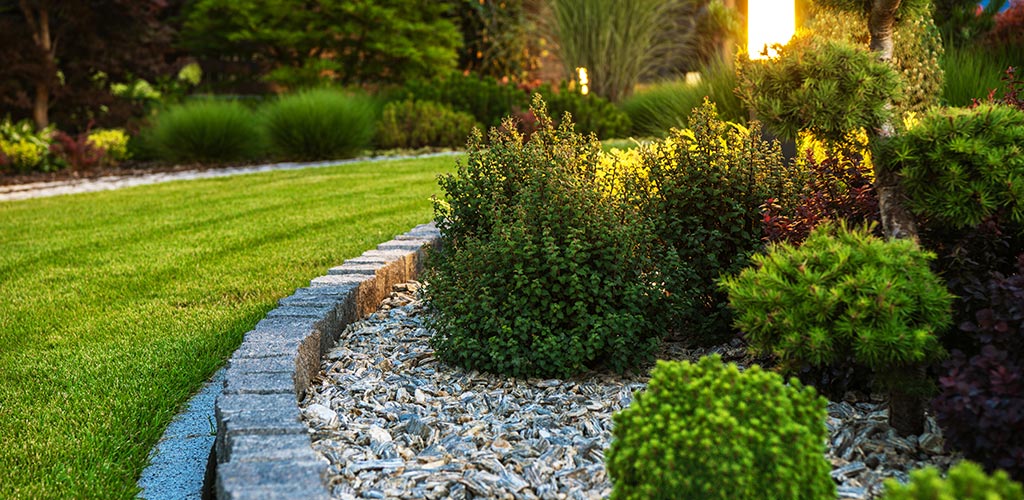
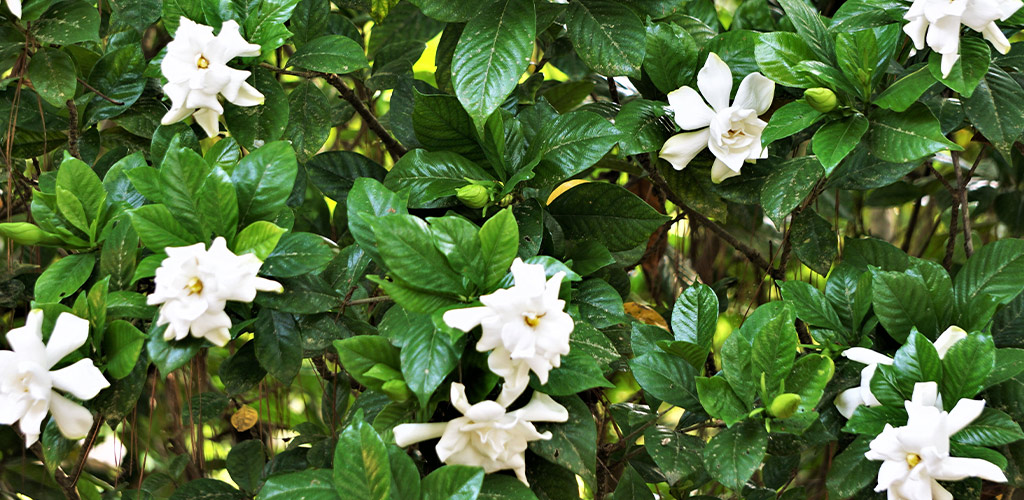
Few plants carry as much nostalgia in the South as the gardenia. The fragrance alone is enough to stop you in your tracks, and when they’re blooming in May and June, you can often smell them before you see them. Across Birmingham, Hoover, Vestavia Hills, and Homewood, gardenias have been a fixture in residential landscapes for decades. They reward you with some of the most beautiful blooms in any Southern garden, but they do ask for a little more attention than some of the lower-maintenance plants we’ve featured in previous months
If you already have gardenias in your yard or you’re thinking about adding them, May is the right time to understand what keeps them happy in the Birmingham metro and what to watch for when things go wrong.
Why Gardenias Work in the Birmingham Area
Gardenias thrive in the same conditions that make azaleas and blueberries perform well in Central Alabama: acidic soil, consistent moisture, and warm temperatures. Birmingham sits in USDA zones 7b to 8a, which falls within the growing range for most popular gardenia varieties.
Like the azaleas we featured in April, gardenias prefer a soil pH between 5.0 and 6.5. Much of the Birmingham metro has naturally acidic soil, which gives gardenias a head start. However, properties built on fill dirt or in areas with disturbed soil from construction may have a higher pH that needs correcting before gardenias will perform well.
The key requirements for gardenias in Birmingham:
- Acidic, well-drained soil with a pH between 5.0 and 6.5
- Consistent moisture without standing water
- Morning sun with afternoon shade, especially during Birmingham’s intense July and August heat
- Protection from cold winter winds, which can damage buds and foliage in January and February
When Do Gardenias Bloom in Birmingham?
Most gardenia varieties in the Birmingham area begin blooming in mid to late May and continue through June, with some varieties producing scattered blooms into July. The peak fragrance and flower production typically happens in late May through mid-June.
A few varieties to know:
- August Beauty. One of the most widely planted gardenias in Birmingham. Blooms heavily in late spring and produces additional flushes of flowers through summer and into early fall. Grows 4 to 6 feet tall.
- Frost Proof. A newer variety bred for improved cold hardiness. Performs well in zone 7b and produces large, fragrant blooms. A good choice for the northern edges of the Birmingham metro where winter lows occasionally dip into the teens.
- Radicans (Dwarf Gardenia). A low-growing, spreading variety that works well as a groundcover or along walkways and bed borders. Stays under 2 feet tall. Smaller blooms but very fragrant.
- Chuck Hayes. Known for strong cold tolerance and reliable bloom in zone 7. A solid performer across the entire Birmingham service area.
Common Gardenia Problems in Birmingham
Gardenias are beautiful, but they aren’t trouble-free. Several issues show up regularly in Birmingham landscapes, and most of them are preventable with proper care.
Yellowing Leaves (Chlorosis)
This is the most common gardenia complaint in the Birmingham area. If the leaves are turning yellow while the veins remain green, the plant isn’t getting enough iron. The usual cause is soil pH that’s too high. A soil test will confirm whether pH correction is needed. Sulfur amendments lower pH over time, and chelated iron products provide a quicker visual improvement.
Bud Drop
Few things are more frustrating than watching gardenia buds form and then fall off before opening. Bud drop in Birmingham is typically caused by inconsistent watering, temperature swings, or moving container gardenias between indoor and outdoor environments. Once buds begin forming, keep moisture levels steady and avoid any major changes to the plant’s conditions.
Whiteflies and Sooty Mold
Whiteflies are attracted to gardenias and feed on the undersides of leaves. Their excretion, called honeydew, creates a sticky film on leaves that then develops a black, sooty mold. The mold itself doesn’t damage the plant, but it blocks sunlight and makes the plant look unhealthy. Treating the whitefly population is the solution. Horticultural oil or insecticidal soap applied to the undersides of leaves works well when caught early.
Scale Insects
Scale appears as small, brown, oval bumps on stems and leaf undersides. It can be easy to overlook because it doesn’t look like a typical insect. Scale feeds on plant sap and can weaken gardenias over time. Horticultural oil applied during the dormant season is an effective preventive treatment. Our February post on horticultural oil covers this in more detail.
Where to Plant Gardenias in Your Landscape
Placement matters more with gardenias than with most shrubs. The right spot makes the difference between a plant that thrives and one that struggles.
Best locations:
- Near patios, porches, or entryways where the fragrance can be enjoyed
- Foundation plantings on the east or north side of the house, where they receive morning sun and afternoon shade
- Along walkways where they’re protected from harsh western sun exposure
- In raised beds if your native soil has poor drainage or a high pH
Locations to avoid:
- Full afternoon sun, especially west-facing exposures that bake in July and August
- Low spots where water collects after rain
- Directly under roof drip lines where heavy water runoff can saturate roots
- Near concrete foundations or walkways that leach lime and raise soil pH
Caring for Gardenias Through the Season
Once gardenias finish their primary bloom cycle in June, there are a few things to keep in mind through the rest of the year:
- Prune after blooming. Like azaleas, gardenias set buds on old wood. Pruning in late summer, fall, or winter removes next year’s blooms. Shape and prune within a few weeks of the last flowers fading.
- Mulch the base with 2 to 3 inches of pine bark or pine straw to maintain soil acidity and moisture. Keep mulch a few inches away from the trunk.
- Water consistently through summer, especially during dry stretches. Gardenias prefer evenly moist soil. Drip irrigation or soaker hoses work better than overhead sprinklers, which can promote leaf spot.
- Fertilize in spring and early summer with an acid-forming fertilizer. Avoid feeding after mid-summer, as late fertilization can push tender new growth that’s vulnerable to winter cold.
- Monitor for pests throughout the growing season, especially whiteflies and scale. Early intervention prevents larger problems.
A Fragrance Worth the Effort
Gardenias require a bit more attention than some plants, but the payoff is hard to match. When a gardenia is happy in its spot, the blooms and fragrance it produces in May and June make it one of the standout plants in any Birmingham landscape.
If your landscape beds need attention this spring, whether it’s adding new plantings, refreshing mulch, or maintaining what’s already established, Steven’s Wack-n-Sack provides professional landscaping services for residential and commercial properties across Birmingham, Hoover, Vestavia Hills, Homewood, Alabaster, Pelham, Helena, Chelsea, and the surrounding metro. Contact us to discuss what your property needs this season.