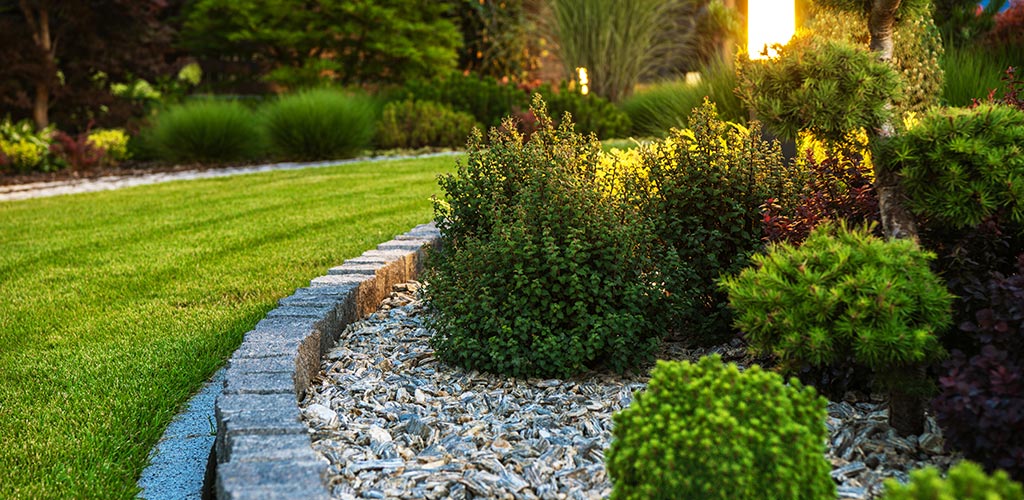

September is the turning point for Alabama lawns. The heat starts to fade, winter weeds are about to germinate, and the steps you take now will decide how your yard looks next spring. Whether you’re in Birmingham, Trussville, Alabaster, Hoover, or the surrounding Central Alabama area, use this checklist to tune up your turf. If DIY isn’t your thing, let Steven’s Wack-n-Sack handle it for you.
1) Fine-tune your mowing height
Early fall isn’t the moment to scalp. Raise the deck slightly to protect roots and keep more leaf surface for photosynthesis as daylight shortens. As a general guide, raise your decks about:
- Bermuda: 1–1.5 inches (avoid big height swings this month)
- Zoysia: 1–2.5 inches depending on cultivar
- Tall Fescue (in shade/mixed lawns): 2.5–3.5 inches
Never remove more than one-third of the blade at a time. Sharpening blades now also reduces disease entry points.
2) Put down a fall pre-emergent (before weeds win)
September starts the window to stop Poa annua, henbit, and chickweed before they sprout. Pre-emergent herbicides form a barrier in the upper soil profile that prevents seed germination. Timing matters more than product brand:
- Aim to apply in late September to early October in Central Alabama.
- Water in according to the label to activate the barrier.
- Re-treatments may be needed later in fall depending on product longevity and pressure.
Prefer a professional application? Our technicians place pre-emergent on schedule and in the right rate bands so you aren’t fighting weeds all winter.
3) Overseed thin areas and repair patches
If you’ve got thin spots—especially in shadier areas—September is prime time to overseed:
- Rake or topdress lightly to improve seed-to-soil contact.
- Keep the top ½ inch of soil evenly moist for 10–14 days.
- Hold off on heavy foot traffic until seedlings are anchored.
Bermuda lawns typically rely on stolons/rhizomes to fill in; overseed only for specific repair or if you’re managing a mixed lawn with fescue in shade.
4) Audit irrigation and find drainage trouble early
As nights cool, dial irrigation toward less frequent, deeper soaks to push roots down. Run a quick zone check:
- Look for mismatched heads, clogged nozzles, and dry crescents.
- Watch for puddling after a cycle or heavy rain—a sign of compaction or grade issues.
Chronic soggy zones invite fungus through winter. If water lingers, consider aeration and, where needed, a drainage fix (downspout extensions, re-grading, or a simple French drain).
5) Fertilize for root strength, not top growth
In fall, focus on root development and stress tolerance:
- Choose a slow-release blend with adequate potassium (K).
- Avoid heavy late-season nitrogen pushes on warm-season turf.
- When in doubt, soil test and target what your lawn actually needs.
Our fertilization programs are tailored to local soils and grass types, so you get results without guesswork.
6) Start leaf management now
Don’t wait for a mat of leaves. Mulch mow light leaf fall into fine pieces that filter into the canopy—free organic matter without smothering the turf. For heavy drops later, schedule removal so sunlight still reaches the lawn through November.
7) Edge, bed-shape, and top off mulch
A crisp perimeter instantly improves curb appeal and helps keep turf from creeping into beds. If your beds are shallow on mulch, top off with a light layer (not piled against trunks) to moderate soil temperature swings headed into winter.
8) Scan for pests and disease after summer stress
Early fall is when late-season armyworm flare-ups, grubs, or lingering dollar spot/brown patch reveal themselves. Check for:
- Sudden off-color patches that lift like a carpet (grubs)
- Areas mowed “yesterday” that seem eaten overnight (armyworms)
- Straw-colored lesions or irregular tan patches (fungal issues)
Prompt diagnosis saves you from reseeding entire sections later.
Quick September checklist (print and stick on the fridge)
- Raise mower deck and sharpen blades
- Apply fall pre-emergent; water in per label
- Overseed thin areas; keep seedbed evenly moist
- Adjust irrigation for deeper, less frequent watering
- Address drainage/puddling spots early
- Fertilize for roots; consider a soil test
- Begin leaf mulching and schedule cleanup
- Inspect for pests/disease and treat promptly
Why act now—and why hire a local pro
September decisions compound for months. A well-timed pre-emergent means fewer winter weeds; consistent moisture after overseeding means a denser spring canopy; drainage fixes now prevent winter disease. Steven’s Wack-n-Sack has over 20 years serving Central Alabama lawns—we know the timing, the products, and the pitfalls unique to our climate.
Ready to skip the guesswork? Request an instant quote or book a fall evaluation. Our team will tune your lawn for a clean, healthy start to spring.
Service areas: Birmingham, Hoover, Vestavia Hills, Mountain Brook, Homewood, Alabaster, Pelham, Helena, Chelsea, Trussville, and nearby communities.