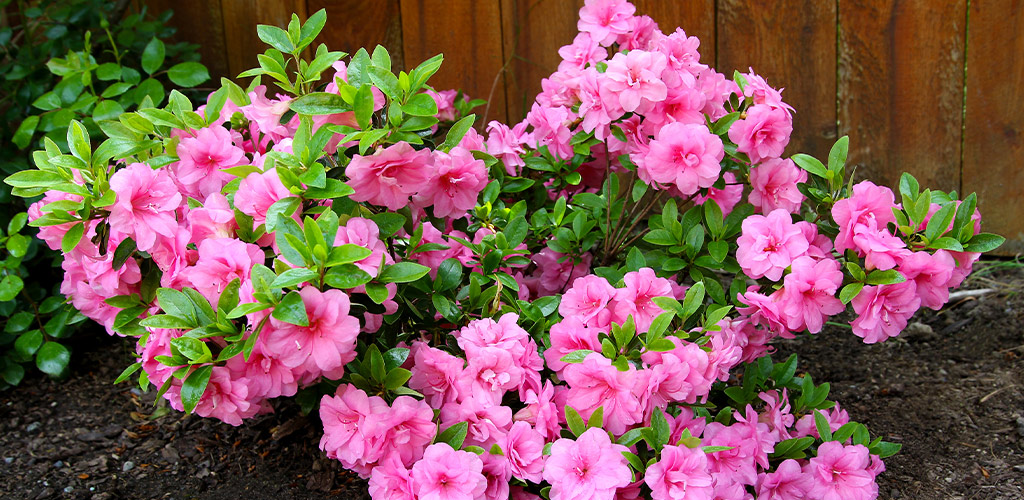
If there’s one plant that defines spring in Birmingham, it’s the azalea. Every April, neighborhoods across the metro light up with waves of pink, white, red, and coral blooms all along front walkways, around foundations, under tree canopies, and lining property borders. Azaleas have been a fixture in Alabama landscapes for generations, and for good reason. They thrive in our climate, they’re relatively low maintenance once established, and nothing else delivers that kind of color impact in early spring.
Whether you already have azaleas in your landscape or you’re thinking about adding them, April is a good time to understand what makes these plants perform well in Birmingham, and what mistakes to avoid.
Why Azaleas Thrive in the Birmingham Metro
Birmingham sits in USDA hardiness zones 7b to 8a, which lines up well with the growing requirements of most azalea varieties. But what really makes Central Alabama ideal for azaleas is the soil. Much of the Birmingham metro, including Hoover, Vestavia Hills, Homewood, and surrounding areas, has naturally acidic soil, and azaleas prefer a soil pH between 4.5 and 6.0.
That acidic preference is also why you’ll often see azaleas planted under or near pine trees. Pine needles naturally lower soil pH over time, creating favorable growing conditions without much intervention.
Azaleas also benefit from Birmingham’s mix of warm spring days and cool nights during their bloom period. That temperature swing helps extend bloom time, which is why a well-placed azalea can hold color for two to three weeks or more in a typical April.
When Do Azaleas Bloom in Birmingham?
Bloom timing varies by variety, but most traditional azaleas in the Birmingham area begin blooming in late March and hit peak color in April. Some early varieties may start showing color by mid-March, while later bloomers can extend into early May.
A general guide for the Birmingham metro:
- Early bloomers (late March – early April): Kurume varieties, some native Piedmont azaleas
- Mid-season (April): Southern Indica varieties which are the most common landscape azaleas across Birmingham
- Late bloomers (late April – May): Satsuki varieties, some Encore azaleas (which also rebloom in fall)
If your azaleas didn’t bloom well this year, the most likely cause is pruning at the wrong time, which is one of the most common mistakes we see across Birmingham landscapes.
Pruning Azaleas: Timing Matters
This is where many homeowners and even some landscaping crews get it wrong. Azaleas set their flower buds in summer for the following spring. If you prune in late summer, fall, or winter, you’re cutting off next year’s blooms.
The rule is simple: prune azaleas within a few weeks after they finish blooming. In Birmingham, that usually means pruning between late April and mid-June, depending on the variety. Anything after July is risky.
When pruning:
- Focus on shaping and controlling size, not cutting back hard
- Remove dead or crossing branches
- Thin out dense interior growth to improve air circulation, which helps reduce fungal issues in Birmingham’s humid summers
- Avoid flat-topping or shearing into tight geometric shapes. Azaleas look and perform best with a natural, rounded form
If your azaleas have gotten too large for their space, you can do a more aggressive rejuvenation pruning immediately after bloom, but understand that it may take a full season for the plant to fill back in. A professional landscaping service can help assess whether reshaping or replacement makes more sense for your property.
Common Problems With Azaleas in Birmingham
Azaleas are generally resilient in our area, but there are a few things to watch for, especially in April and May.
Azalea Lace Bugs
This is the most common pest affecting azaleas in the Birmingham metro. Lace bugs feed on the underside of leaves, leaving a stippled, bleached-out appearance on top. If you flip the leaves over and see dark, tar-like spots, lace bugs are likely the cause. Damage is most noticeable in plants growing in full sun, which is another reason azaleas perform better with some afternoon shade in Alabama.
Petal Blight
During wet springs, a fungal disease called petal blight can cause flowers to turn mushy and brown almost overnight. It’s more of a cosmetic issue than a health concern for the plant, but it can cut bloom time short. Good air circulation and avoiding overhead irrigation during bloom help reduce the risk.
Iron Chlorosis
If your azalea leaves are turning yellow with green veins, the plant may not be getting enough iron, often because the soil pH is too high. This is more common in areas with alkaline fill soil from construction. A soil test can confirm the issue, and sulfur amendments or iron supplements can correct it over time.
Best Azalea Varieties for Birmingham Landscapes
If you’re adding azaleas to your property, here are a few varieties that consistently perform well in the Birmingham area:
- Encore Azaleas: The most popular choice for repeat bloom. They flower in spring, again in summer, and often again in fall. Multiple color options are available, and they handle Birmingham’s heat well.
- George Lindley Taber: A classic Southern Indica variety with large, light pink to lavender blooms. One of the most common azaleas in older Birmingham neighborhoods.
- Formosa: Large, vibrant magenta-purple blooms. Fast growing and tolerant of Birmingham’s clay soil.
- Piedmont Azalea (Rhododendron canescens): A native species with fragrant pink to white blooms. Ideal for more naturalized landscape areas and woodland edges.
When planting, choose a location with morning sun and afternoon shade, amend the planting hole with organic matter, and make sure the site drains well. Azaleas do not tolerate wet feet. Standing water around the root zone is one of the fastest ways to lose them.
Caring for Azaleas Through the Season
Once bloom is over, azaleas shift into growth mode through summer. A few things to keep in mind:
- Mulch the base with 2 to 3 inches of pine straw or shredded bark to retain moisture and maintain soil acidity
- Water deeply during dry stretches in summer, especially in the first two years after planting
- Fertilize lightly after bloom with an acid-forming fertilizer. Avoid heavy nitrogen applications that push leggy growth
- Monitor for lace bugs from May through September, especially on sun-exposed plants
Azaleas planted in well-prepared beds with proper drainage and some shade protection typically require very little ongoing care once established.
A Birmingham Tradition Worth Maintaining
Azaleas are part of the fabric of Birmingham’s landscape from the historic neighborhoods of Homewood and Mountain Brook to newer developments across Hoover, Pelham, Alabaster, and Chelsea. With the right variety selection, proper pruning timing, and basic seasonal care, they reward you with one of the most impressive spring displays in any Southern landscape.
If your landscape beds need attention heading into spring — whether it’s pruning, planting, or a full seasonal refresh — Steven’s Wack-n-Sack provides professional landscaping services for residential and commercial properties across the Birmingham metro. Contact us to discuss what your property needs this season.