Winter may feel like the off-season for landscaping, but for commercial properties in Alabama, January is often when curb appeal quietly slips, and as a result, first impressions often suffer.
For office buildings, retail centers, HOAs, churches, and multi-family properties, winter grounds maintenance is less about growth and more about appearance, safety, and preparation for spring. The properties that look the best in March are almost always the ones that stayed intentional in January.
Why Winter Commercial Landscaping Still Matters
Commercial landscaping isn’t just about grass height or flower color. It’s about how a property is perceived by tenants, customers, and visitors year-round. In winter, unmanaged landscapes can:
- Look neglected or abandoned
- Create safety risks near entrances and walkways
- Make spring recovery slower and more expensive
- Reflect poorly on property management
Consistent commercial lawn care and grounds maintenance during winter helps protect both appearance and long-term landscape health.
Key Areas That Affect Commercial Curb Appeal in Winter
1. Entrances and High-Traffic Areas
Entrances are the most visible parts of any commercial property. In winter, small details stand out more because there’s less greenery to distract the eye. What matters in January:
- Clean, edged turf around entry points
- Clear sightlines near signage and drive lanes
- Debris-free sidewalks and curbs
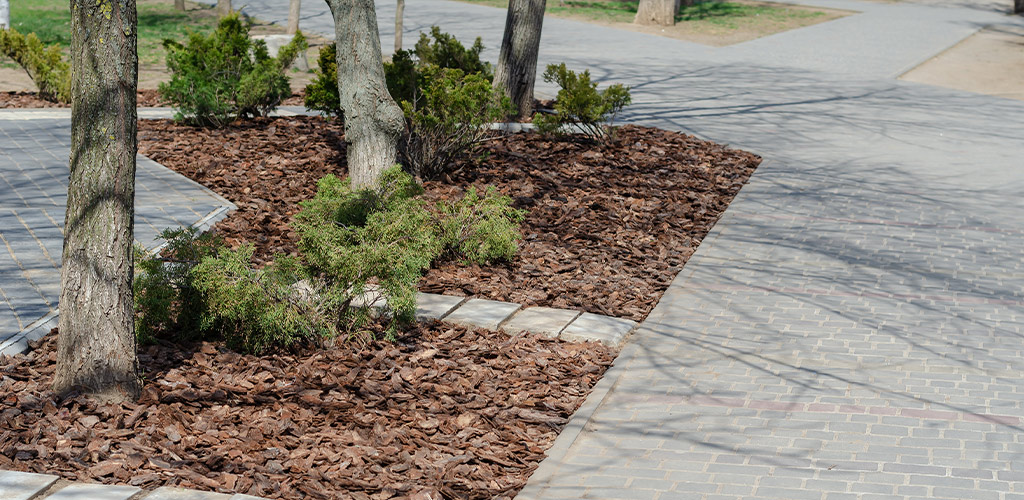
- Mulch beds that look intentional, not bare or messy
A clean entrance signals that the property is actively managed, even in the off-season.
2. Landscape Beds and Shrub Maintenance
Winter exposes landscape beds. Without proper attention, they can quickly look neglected. Winter commercial landscaping should include:
- Removal of dead annuals and spent plant material
- Light pruning to maintain shape and visibility
- Weed control in beds during warm winter spells
- Mulch touch-ups where erosion or foot traffic is visible
This type of maintenance keeps properties looking organized while reducing spring workload.
3. Safety and Liability Considerations
Commercial property owners and managers can’t afford to ignore safety, even in winter. Common winter landscaping risks include:
- Uneven turf near walkways
- Overgrown shrubs blocking visibility
- Storm debris after high winds
- Slippery areas from poor drainage or compacted soil
Proactive commercial grounds maintenance helps reduce liability and supports safer access for tenants and visitors.
4. Winter Lawn Health and Turf Protection
While turf growth slows in winter, damage can still occur. Key winter lawn concerns:
- Compaction from foot and vehicle traffic
- Rutting in soft or dormant turf
- Stress from freeze-thaw cycles
- Winter weeds taking advantage of thin areas
Protecting turf now improves spring green-up and reduces the need for corrective work later.
Planning Ahead: Why January Is a Smart Time for Commercial Landscape Strategy
January is an ideal time for commercial properties to evaluate landscape performance and plan ahead. Benefits of winter planning:
- Locking in spring landscaping schedules early
- Budgeting for mulch, enhancements, and turf services
- Identifying problem areas before peak growth
- Avoiding delays when demand increases in spring
Commercial properties that plan early tend to experience smoother transitions and more consistent results throughout the year.
A Year-Round Approach to Commercial Lawn Care in Alabama
Effective commercial landscaping isn’t seasonal — it’s continuous. A strong winter maintenance plan supports:
- Better curb appeal year-round
- Healthier turf and plant material
- Reduced long-term costs
- Stronger property presentation for tenants and customers
Even in January, professional commercial lawn care plays a critical role in how a property is seen and how well it performs heading into spring. Professional commercial landscaping doesn’t stop in winter. Contact us to request a commercial lawn care quote and start planning ahead for spring.