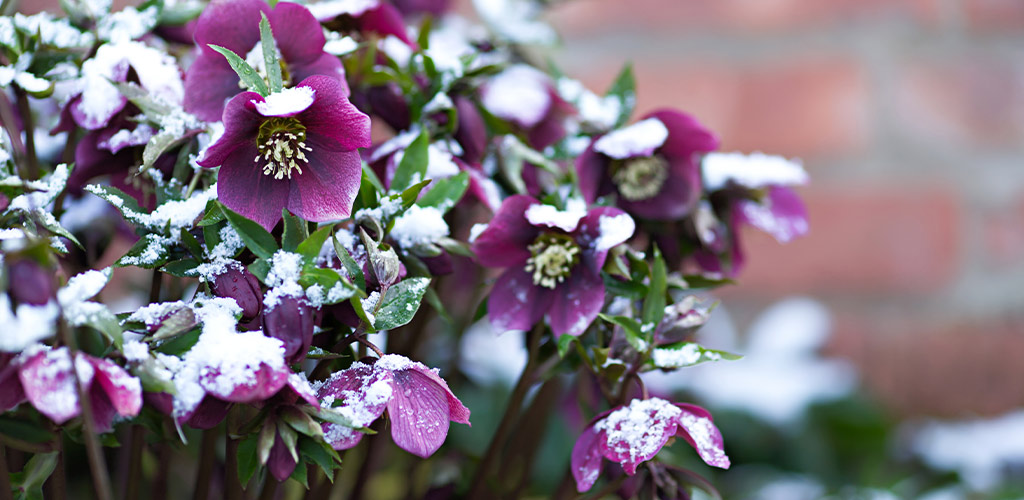
When most Alabama landscapes go quiet, Lenten Rose (Helleborus) brings color in late winter. February is peak bloom season, which makes this plant a strong Plant of the Month choice. Its appeal does not stop with winter flowers, though. With proper placement and care, Lenten roses also handle Alabama’s summer heat and return year after year with dependable performance.
Many homeowners worry that winter-blooming plants cannot survive Southern summers. In reality, Lenten roses thrive in Alabama when landscapes account for shade, drainage, and heat protection.
Why Lenten Rose Works in Alabama Landscapes
Lenten roses perform well in Alabama because they grow during cooler months and rest during summer heat. This growth cycle allows them to bloom when most plants cannot and conserve energy when temperatures rise.
They offer several advantages:
- Late winter to early spring blooms
- Evergreen to semi-evergreen foliage
- Strong shade tolerance
- Long lifespan with low maintenance
Most plant failures happen because of poor placement, not because Alabama summers are too hot.
Placement Matters More Than Anything Else
Placement determines whether a Lenten rose survives long-term in Alabama. These plants need protection from direct afternoon sun, especially during summer.
The best locations include:
- Under deciduous trees
- On the north or east side of buildings
- In shaded foundation beds
Morning sun works well, but harsh afternoon sun scorches foliage and weakens the plant over time.
Soil and Drainage Requirements
Lenten roses need well-drained soil to survive Alabama heat. Roots rot quickly when water sits in the soil during hot weather.
To improve success:
- Avoid low spots where water collects
- Amend heavy clay soils with organic matter
- Use raised or slightly sloped beds when necessary
Poor drainage combined with heat causes more failures than drought.
February Care Tips for Lenten Rose
February care should stay minimal. Plants need time to bloom without disturbance.
During this time:
- Remove only damaged or diseased foliage
- Wait to fertilize until after flowering
- Refresh mulch lightly to regulate soil temperature
As spring approaches, trimming older foliage improves airflow and prepares the plant for warmer weather.
Preparing Lenten Rose for Alabama Summers
Summer survival depends on managing heat stress before it becomes a problem. Mulch plays a major role in protecting the root system.
Mulch helps by:
- Keeping soil cooler
- Conserving moisture
- Reducing temperature swings
Apply mulch around the plant, but keep it a few inches away from the crown to prevent rot.
Water deeply during dry periods and allow soil to dry slightly between watering. Frequent shallow watering weakens roots and increases the risk of disease during hot months.
Where Lenten Rose Fits in Landscapes
Lenten roses work well in both residential and commercial settings, and are often used in shaded areas where turf struggles.
Common locations include:
- Residential shaded landscape beds
- Shaded entryways
- Office parks and medical facilities
- Churches and HOA common areas
They add winter color while providing structure throughout the rest of the year.
A Reliable Winter Bloomer With Long-Term Value
Lenten Rose rewards good planning. While it shines in February, its long-term success depends on shade, drainage, and thoughtful summer care. When landscapes meet those needs, hellebores thrive through winter blooms and Alabama heat alike.
Looking for a professional lawn care and landscaping company that understands what plants actually thrive in Alabama’s climate? Steven’s Wack-n-Sack provides knowledgeable, year-round lawn care and landscaping services for residential and commercial properties. Contact us today to request a quote and plan your landscape with confidence.