January in Alabama can be deceptive for homeowners. The grass is dormant, trees are bare, and growth has slowed to almost nothing, which makes it easy to assume there’s nothing to do for your lawn. The truth is, winter lawn care isn’t about pushing growth. It’s about protecting what you already have and avoiding mistakes that create problems in spring.
The lawns that green up evenly and recover quickly in March are usually the ones that weren’t overworked or ignored in January.
What You Should Do for Your Lawn in January
1. Limit Foot Traffic on Dormant Grass
Dormant turf is fragile. When grass isn’t actively growing, it can’t repair itself quickly. Repeated walking, parking, or storing equipment on the same areas can cause compaction and thinning that shows up months later.
What to watch for:
- Shortcuts across the yard
- Kids playing in the same spot repeatedly
- Vehicles or trailers parked on grass
- Trash cans or heavy items sitting in one place too long
Rotating traffic paths or keeping activity on sidewalks and driveways helps prevent long-term damage.
2. Keep Leaves and Debris Off the Lawn
A thin layer of leaves might not look harmful, but when they stay wet and compacted, they can smother grass and trap moisture against the soil. This creates ideal conditions for fungal issues and thinning turf.
Best practice: Blow or rake leaves as they fall rather than letting them accumulate. Even dormant grass still needs airflow and light.
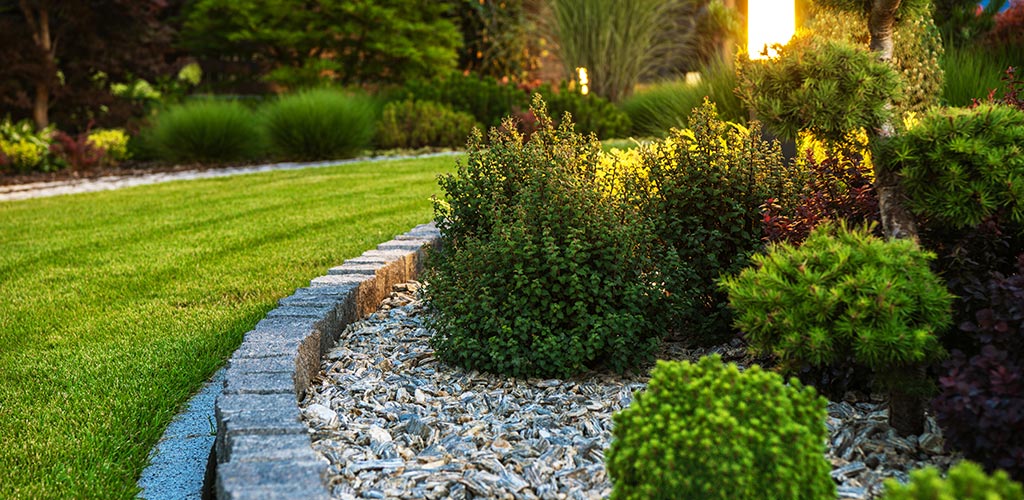
3. Clean Up Landscape Beds and Edges
January is a good time to tidy borders and beds. Clean edges and debris removal don’t just improve appearance, they reduce pest harborage and make spring maintenance easier.
Focus on:
- Removing fallen branches
- Clearing old annuals
- Straightening bed lines
- Light pruning only if necessary for visibility or safety
4. Water Only When It’s Truly Needed
Many Alabama winters include dry stretches with little rainfall. Established lawns usually don’t need regular irrigation in January, but newly installed sod or recently seeded areas may still require occasional moisture.
When watering makes sense:
- New sod within its first few months
- Extended dry periods (2–3 weeks with no rain)
- Sandy soils that drain quickly
Avoid watering if freezing temperatures are expected overnight.
What You Shouldn’t Do in January
1. Don’t Fertilize Dormant Turf
Applying fertilizer in January often does more harm than good. Grass isn’t actively growing, so nutrients aren’t used efficiently. This can lead to wasted product, nutrient runoff, or unintended weed stimulation. Fertilization is more effective when turf begins its natural growth cycle in spring.
2. Don’t Scalping-Mow or Cut Too Short
Some homeowners think cutting grass extremely short in winter “resets” the lawn. In reality, scalping exposes crowns, increases cold stress, and can weaken turf heading into spring. If mowing is needed at all, keep it light and maintain a normal height for your grass type. Wait until spring cut downs.
3. Don’t Over-Prune Shrubs and Ornamentals
January is not the time for aggressive pruning of most flowering shrubs. Cutting too much can remove next season’s buds and reduce blooms. Stick to removing dead, broken, or hazardous branches only.
4. Don’t Panic Over Brown Grass
Dormant grass turning brown is normal in Alabama winters. Color loss does not equal death. Many lawns recover naturally once soil temperatures warm and daylight increases.
Signs of normal dormancy:
- Even, consistent browning
- No foul odor or mushy texture
- Firm turf that springs back when stepped on
Common Winter Lawn Issues to Watch For
Compaction
Heavy foot traffic or equipment can compress soil and restrict root growth. This often shows up as thin or slow-to-green areas in spring.
Rutting
Driving or turning vehicles on soft winter turf can leave depressions that are difficult to correct later.
Winter Weeds
Mild winter temperatures in Alabama allow certain weeds to sprout. While some are harmless short-term, widespread growth can compete with turf when spring arrives.
The Goal of January Lawn Care
Winter lawn care isn’t about making your yard look like summer. It’s about preventing avoidable damage and setting the stage for a smoother spring transition. Small, intentional actions, like limiting traffic, clearing debris, and avoiding unnecessary treatments have a larger impact than most homeowners realize.
The key is balance. Do enough to protect the lawn, but resist the urge to force growth or apply products that turf can’t properly use yet. When warmer weather returns, a well-protected winter lawn responds faster, fills in more evenly, and requires fewer corrective treatments.
Looking for a professional lawn care company to handle your property?
Whether you manage a home, HOA, or commercial site, Steven’s Wack‑n‑Sack provides dependable, year-round lawn care and landscaping services focused on curb appeal, turf health, and long-term results. Contact us today to request a quote and get a maintenance plan tailored to your property.