Few lawn pests can cause as much sudden damage as the fall armyworm. These tiny caterpillars can strip a green lawn bare in just days. If you live in Alabama, armyworms are a seasonal threat worth knowing about, because if you can spot them early, you can save your lawn from severe destruction.
What Are Armyworms?
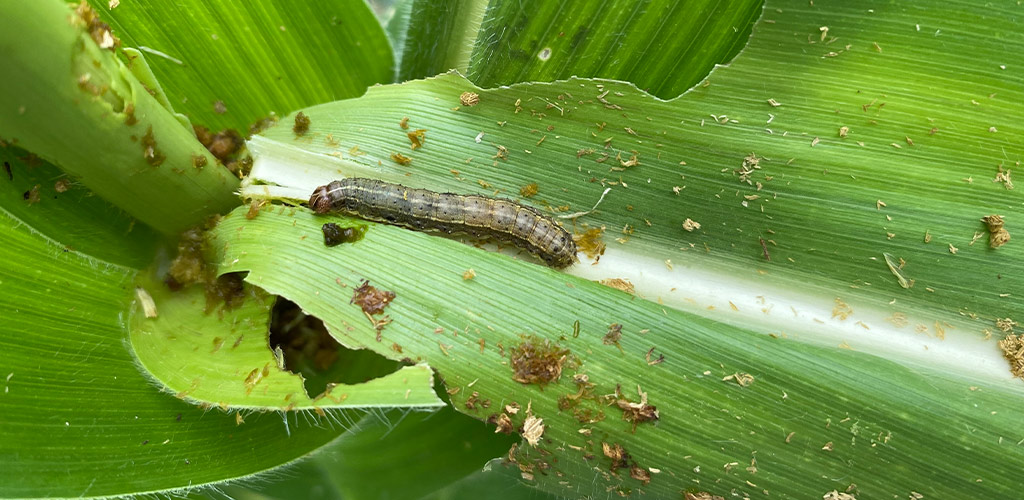
Armyworms are the larvae of a moth species that thrives in warm, humid climates. The moths lay eggs on grass, and when the eggs hatch, the caterpillars begin feeding on turf. They’re called “armyworms” because of their habit of traveling in large groups, moving across yards and fields like an invading army.
While they’re small, typically one to one-and-a-half inches long, they make up for it in numbers. Hundreds can hatch in one area, which is why the damage often looks like it happened overnight.
When Do Armyworms Show Up in Alabama?
In Alabama, fall armyworms typically appear in late summer through early fall. Their peak activity often falls between late July and September, but weather plays a big role. Years with heavy rain followed by hot spells are especially favorable for outbreaks.
What makes them particularly troublesome is their rapid life cycle. Multiple generations can occur in one season, meaning that even if you treat your lawn once, you need to stay vigilant for reinfestations in the weeks that follow.
How to Spot an Infestation Early
The first signs of armyworms can be subtle, but acting early makes all the difference. Look for:
- Chewed grass blades – Unlike drought stress, this damage has a “scalped” appearance.
- Brown patches that spread quickly – Damage can expand in hours, not days.
- Increased bird activity – Birds often gather to feast on armyworms before you even notice them.
- The worms themselves – Check your lawn in the early morning or late evening; that’s when they’re most active.
A simple test: Mix a gallon of water with a few tablespoons of dish soap and pour it over a small patch of grass. If armyworms are present, they’ll wriggle to the surface within minutes.
How to Treat Armyworms
If you catch them early, you can minimize damage with quick treatment. Options include:
- Professional-grade insecticides – These knock down large populations quickly and effectively.
- Targeted sprays – For small infestations, you may have some success with over-the-counter products, though they may not prevent new generations from emerging.
- Follow-up monitoring – Because multiple generations appear each season, check your lawn every few days after treatment.
It’s important to treat fast. Once grass blades are chewed down, they won’t recover. The lawn must regrow from the crown, which can take weeks.
Prevention Tips for Next Year
Even if you manage an infestation this year, armyworms can return. Some steps to make your lawn less vulnerable:
- Keep turf healthy with proper fertilization and watering.
- Avoid mowing too short, as stressed grass is slower to recover.
- Schedule preventive lawn treatments during peak armyworm months.
Don’t Let Armyworms Take Over
If you’ve noticed brown patches or unusual bird activity in your yard, it’s better to act now than risk losing weeks of growth.
At Steven’s Wack-n-Sack, we help homeowners across Alabama stay one step ahead of pests like armyworms. Call today to schedule an inspection and stop armyworms before they strip your yard bare.